
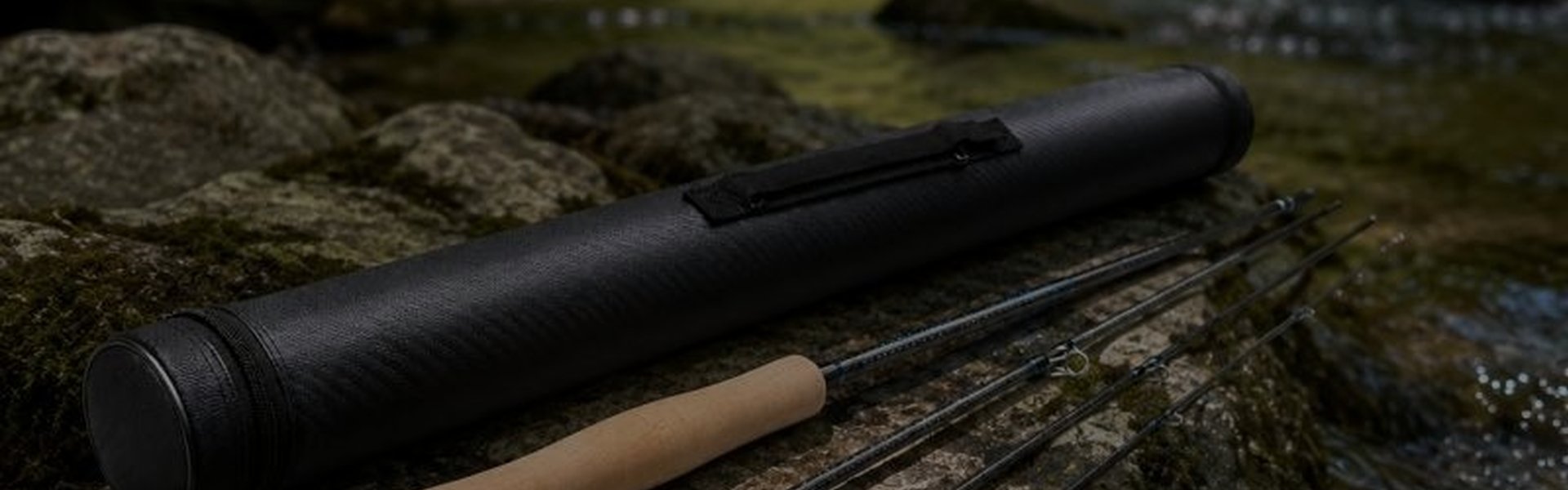
The handle is where the angler meets the rod, so its material and shape influence perceptions of quality more than almost any other component. For brands, the handle is also an opportunity to differentiate a range that may share blank platforms and guide styles with competitors. This guide compares the main handle materials, outlines common configurations and lists what to specify in a fishing rod OEM project.
The main handle materials
Natural cork
Cork is the traditional choice for fly, spinning and many casting rods. It is light, warm in the hand and remains grippy when wet. Cork is graded by the density of pits and the amount of filler used to hide them; higher grades have fewer visible voids and cost considerably more, and prices move with the harvest. Because cork is natural, color and texture vary between rings, so brands should agree a grade reference with the factory and accept some variation within a batch.
Composite and rubberized cork
Composite cork binds cork granules with rubber or resin into a uniform, durable material. It is often used for butt caps, trim rings and fighting butts, and in full grips on rods that will see hard use. Rubberized cork resists chipping better than natural cork and has a consistent appearance, at the cost of some of the warmth and lightness anglers associate with natural cork. Mixed grips that alternate natural and composite rings are a popular middle path.
EVA foam
EVA (ethylene-vinyl acetate) foam is the dominant handle material for saltwater, boat, surf, carp and value-oriented rods. It is consistent, easy to shape, tolerant of salt and sun and available in a wide range of densities and colors. High-density EVA feels firmer and lasts longer; lower densities feel softer but can compress over time. Shaped EVA grips, including textured and contoured designs, give brands design freedom without the variability of cork.
Shrink tube, rubber and carbon tubes
- Heat-shrink tube is applied directly over the blank or a thin underlay, giving a slim, textured grip that is common on surf, boat and some carp rods.
- Rubber grips of the hypalon type suit heavy saltwater rods where a tough, non-slip surface matters.
- Carbon fiber tubes and skeleton handles leave the blank partly exposed for a lightweight, modern look, often paired with carbon or carbon-reinforced reel seats.
Materials compared
| Material | General feel | Durability notes | Typical use |
| Natural cork | Light, warm, grippy | Can chip and lose filler over time; grade matters | Fly, spinning, premium casting |
| Composite cork | Firmer, uniform | Resists chipping well | Trim, fighting butts, hard-use grips |
| EVA foam | Soft to firm by density | Resists salt and sun; low density may compress | Saltwater, boat, carp, value ranges |
| Shrink tube | Slim, textured | Durable, low maintenance | Surf, boat, carp |
| Carbon tube or skeleton | Minimal, direct | Depends on construction | Lightweight spinning and casting |
Handle configurations
- Full grip: continuous rear grip from reel seat to butt; traditional and comfortable for two-handed casting.
- Split grip: rear grip divided to expose the blank, saving weight and giving a contemporary look.
- Skeleton handle: minimal grip material around an exposed-blank reel seat, mainly on light spinning and casting rods.
- Fore grip: a short grip ahead of the reel seat, common on casting and boat rods and often omitted on modern spinning rods.
- Fighting butt and gimbal: extended or reinforced butts for saltwater, fly and offshore rods.
What to specify
- Material for each grip element, with grade or density where relevant.
- Length and diameter of fore grip, rear grip and butt, and any taper or contour.
- Colors and any texturing or shaping.
- Reel seat model, so grip inside diameters and transitions are matched.
- Winding checks, trim rings and butt cap material and finish.
- Whether any grip components are customer-specified branded parts to be sourced on your behalf.
How this applies to your OEM project
Handle choices are part of the specification, not a finishing touch, because they affect weight, balance and reel seat fit. The Fishing Rod OEM page explains how blank, guides, handle and reel seat are integrated in a complete-rod program, and the Component Sourcing & Integration page describes how customer-specified handle components are procured. To discuss a handle design, request a quote.