
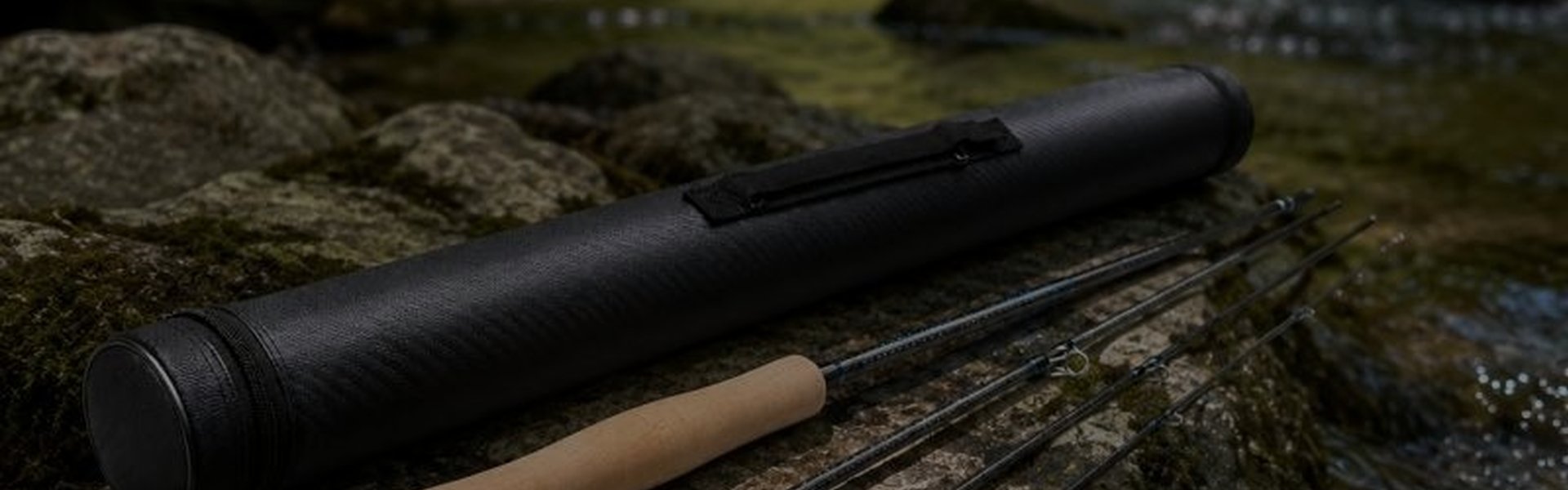
Choosing a fishing rod manufacturer is a long-term decision. The right partner turns your specification into a consistent product season after season; the wrong one costs you a launch window and a lot of goodwill with retailers. A structured audit, whether on site or remote, helps you compare suppliers on the same criteria. This checklist is written for brands, importers and distributors evaluating a fishing rod OEM partner.
Start with the business basics
- Registered company details, factory location and ownership.
- Years in rod production and the markets currently served.
- Export experience, including documentation and freight arrangements for your region.
- Communication: who manages your account, in which language, and how quickly technical questions are answered.
- Willingness to sign confidentiality agreements and to agree exclusivity terms where relevant.
Clarify what is made in-house and what is sourced
Few rod factories make every component themselves, and there is nothing wrong with sourcing. The audit question is whether the manufacturer is transparent about it. Ask directly, for each component group, whether it is produced in-house, produced by a related factory, or purchased to specification:
- Blanks: own rolling and curing, or bought in?
- Guides: own production, which series, and which ring materials?
- Reel seats and handle parts: own range, sourced generic parts, or branded components bought on your behalf?
- Reels and other customer-specified branded parts: how are they procured and integrated?
A supplier that claims everything is in-house deserves closer scrutiny. A supplier that explains its boundaries clearly, as we do on our Component Sourcing & Integration page, is easier to plan with.
Engineering and specification management
- Can they work from your specification sheet and drawings, and do they issue their own drawings for confirmation?
- Is there a bill of materials for each model, and who controls revisions?
- How is the sample process run: how many rounds, how are changes recorded, who signs off?
- Are golden samples retained, and for how long?
- How do they handle a component substitution when a part becomes unavailable?
Production and process control
Ask the factory to walk you through its process from incoming components to shipment. You are looking for defined steps and checkpoints rather than impressive equipment:
- Incoming component inspection against the bill of materials and the approved sample.
- Dimensional checks on blanks and assembled rods.
- Guide placement, alignment and wrap or epoxy checks during assembly.
- Cosmetic inspection of finish, decals and branding.
- Packaging inspection and final inspection before shipment.
Also ask how nonconforming rods are identified, segregated and reworked or scrapped, and how the factory communicates problems to the customer before shipment.
Documentation to request
| Document | What it tells you |
| Sample approval records | Whether approvals are formal and traceable. |
| Inspection records from a previous order | Whether checks are actually performed and recorded. |
| Packaging specification | Whether packing is defined rather than improvised. |
| Component list with source indication | Whether the in-house versus sourced boundary is documented. |
| Material or test certificates, where claimed | Whether material claims are backed by evidence. |
Be realistic: a specialist rod factory may not hold every certificate a large corporation would. What matters is that it does not claim what it cannot show.
Red flags
- Vague or shifting answers on MOQ, sampling or which components are sourced.
- Marketing that borrows the names of major component brands without evidence of a licensing relationship.
- Performance claims about weight, sensitivity or strength that are not supported by test data.
- No written sample approval or revision process.
- Reluctance to show production areas or to provide references.
How this applies to your OEM project
An audit does not need to be adversarial. Clear questions, asked early, show a serious manufacturer that you are a serious buyer and give both sides a shared understanding of scope. Our Fishing Rod OEM page sets out how our complete-rod programs are structured and which components we make ourselves, and we welcome the questions above. To open a discussion, request a quote and tell us which audit points matter most to you.