
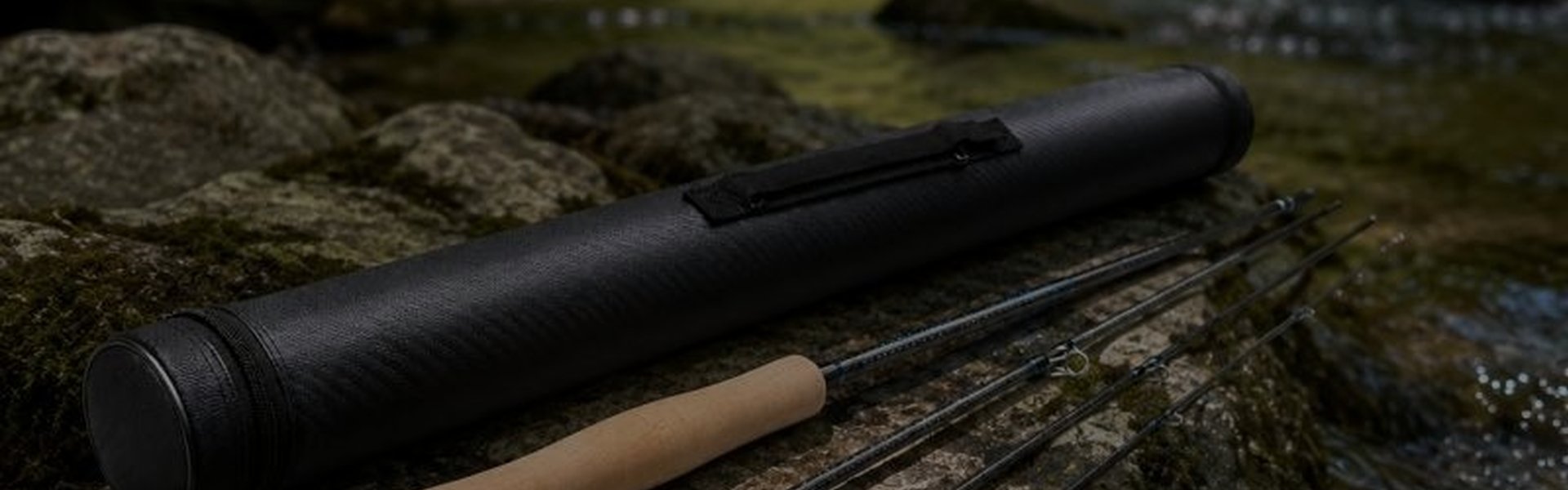
Quality control in rod manufacturing is less about a single final test and more about a chain of checks that keeps every rod in a batch consistent with the approved sample. For brands, understanding that chain makes it easier to set acceptance criteria, judge a supplier and resolve problems when they arise. This guide outlines the stages of fishing rod quality control and how they connect to the checks described on our Quality & Inspection page.
The approved sample is the baseline
Every inspection stage needs a reference. In rod production that reference is the approved sample, supported by the drawing and bill of materials that were frozen at approval. Inspectors compare rods against these, not against an abstract idea of quality. If the sample stage was rushed or undocumented, QC has nothing solid to work from, which is why sample discipline and quality control are inseparable.
Inspection stages from components to carton
Incoming component inspection
Before assembly starts, components are checked against the bill of materials and the sample:
- Blanks: length, section fit, straightness, tip and butt diameters, finish, and a check for cosmetic defects.
- Guides and tip-tops: correct model, size, ring material and color; frame and ring condition; tube size on tip-tops.
- Reel seats, grips and trim parts: correct part, dimensions, color and surface quality.
- Decals, labels and packaging: correct artwork, text and quantity.
Catching a wrong guide size or a mismatched reel seat here is cheap. Catching it after wrapping and epoxy is not.
Assembly inspection
During building, checks follow the sequence of work:
- Reel seat and handle position, alignment and bonding.
- Guide placement against the spacing drawing and alignment along the spine.
- Thread wraps for tension, coverage and color consistency.
- Epoxy coating for coverage, smoothness and cure.
- Ferrule fit on multi-piece rods after all components are fitted.
Cosmetic inspection
Cosmetic standards should be agreed in advance, because they are where opinions differ most. Typical criteria cover paint and clear-coat defects, decal placement and legibility, consistency of color across a batch, cleanliness of the epoxy, and the condition of grips and metal parts. A written cosmetic standard with photos of acceptable and unacceptable examples avoids disputes later.
Dimensional and functional checks
Dimensional inspection confirms that the finished rod matches the specification: overall and section lengths, guide spacing, grip lengths and reel seat position. Functional checks include reel seat locking, ferrule engagement and a visual check of the rod under light flex for alignment. Any additional tests, such as a flex comparison against the golden sample, should be defined and agreed by both parties rather than assumed.
Packaging and final inspection
The last stage confirms that each rod is bagged correctly, labeled with the right model information, packed with the agreed protection and placed in cartons with correct markings and counts. Final inspection also serves as a last cosmetic and completeness check before cartons are sealed. Buyers may add their own pre-shipment inspection or appoint a third-party inspector at this point.
Quality control at a glance
| Stage | What is checked | Reference |
| Incoming components | Correct part, dimensions, condition | Bill of materials, approved sample |
| Assembly | Placement, alignment, wraps, epoxy, ferrules | Drawing, approved sample |
| Cosmetic | Finish, decals, color consistency | Cosmetic standard, photos |
| Dimensional | Lengths, spacing, positions | Specification sheet |
| Packaging and final | Bags, labels, cartons, counts | Packaging specification |
How buyers can strengthen QC
- Define acceptance criteria and defect classifications before bulk production.
- Keep your own golden sample and photo record for comparison on arrival.
- Ask for inspection records with each shipment.
- Report issues with photos and rod identification so root causes can be traced.
How this applies to your OEM project
Good quality control is a shared process: the factory performs the checks, but the buyer provides the approved sample and the criteria that make those checks meaningful. The Quality & Inspection page lists the inspection stages we carry out, and the Sample Development & Approval page explains how the baseline is established. To discuss quality requirements for a project, request a quote.