
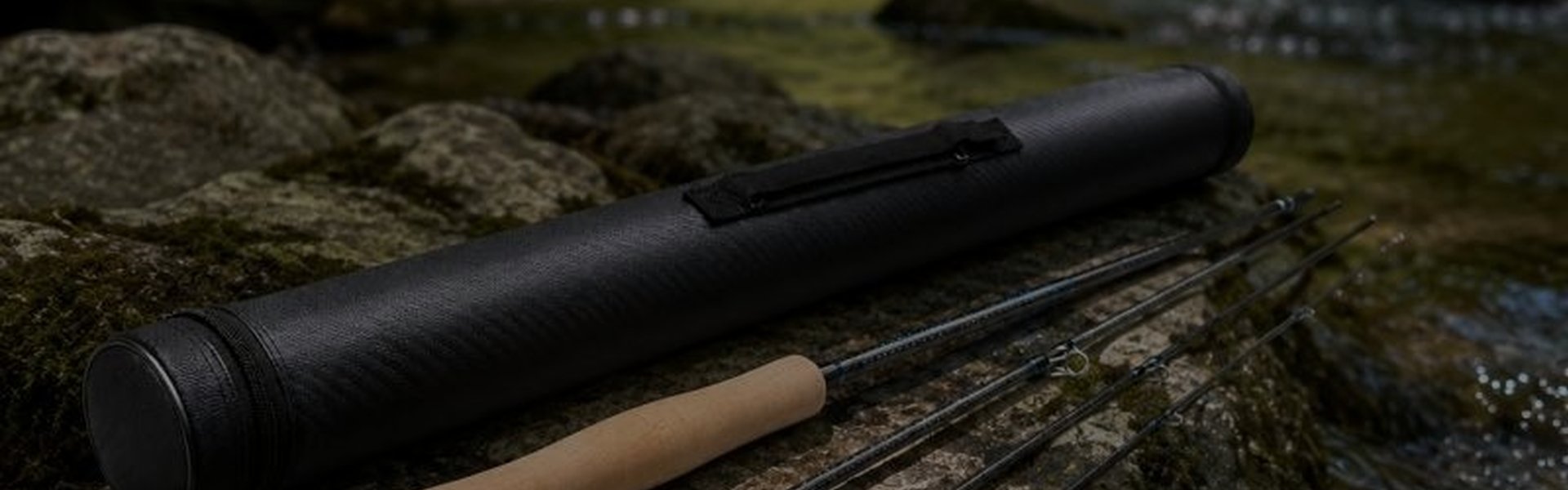
A fishing rod is only as good as the fit between its parts. Brands often choose the blank, guides, handle and reel seat separately, each for sound reasons, and then discover at the sample stage that the seat does not fit the blank, the tip-top is the wrong size or the finished rod is tip-heavy with the intended reel. This guide explains the main compatibility interfaces and the principles of balance, so they can be settled on paper before a fishing rod OEM sample is built.
Compatibility is a specification problem
Most component mismatches are not manufacturing errors; they are gaps in the specification. A component list that names each part but does not state the dimensions where parts meet leaves the factory to interpret. The remedy is a bill of materials that records the interface dimensions as well as the part numbers, and a drawing that shows where each part sits on the blank.
The main interfaces
Blank to reel seat
The reel seat inside diameter must suit the blank outside diameter at the seat position. Where the seat is larger, arbors or tape build-ups fill the gap; where it is smaller, the seat cannot be used. Exposed-blank seats are more sensitive still, because the blank is visible and touched through the cut-out. Seat position also determines how much blank sits behind the reel, which feeds directly into balance.
Guide train to blank and reel
- Tip-top tube size must match the blank tip diameter; a forced or gapped fit is a common sample defect.
- Guide foot size should suit the blank diameter at each position so feet can be wrapped flat.
- Stripper and reduction guide sizes on spinning rods depend on the reel spool diameter and the distance from the reel to the first guide.
- Frame height and guide count should suit the action: faster, lighter tips generally need more support from smaller, lighter guides.
Handle to reel seat
Grip inside diameters must match the blank where they sit and meet the seat cleanly, with winding checks or trim rings covering the transitions. Grip outside diameters should flow into the seat body without steps that catch the hand. On split-grip and skeleton designs, the exposed blank between components must be finished to the same cosmetic standard as the rest of the rod.
Reel weight and rod balance
Balance is judged with the intended reel fitted, never with the bare rod. The balance point of a spinning or casting rod is usually wanted near the front of the reel seat or just ahead of it, so the rod does not feel tip-heavy in a fishing grip. Several levers move it:
- Reel weight and reel seat position.
- Rear grip length and the mass of the butt cap or fighting butt.
- Guide weight along the tip, where small reductions are felt most.
- Blank weight distribution set by the layup.
Adding weight at the butt improves balance but increases total weight, and lighter tips may improve feel but can change the action; these are trade-offs to evaluate on the sample rather than rules.
Multi-piece and travel rods
On multi-piece rods, ferrule positions must be set before guide spacing is finalized so no guide sits on or next to a joint. Section lengths must fit the intended tube or bag, and the guides on the butt section must clear the tip section when packed. These constraints make travel rods the clearest example of why components must be planned together.
Interfaces at a glance
| Interface | What must match | Common issue |
| Blank and reel seat | Blank OD, seat ID, arbors | Loose seat or seat that will not fit |
| Blank and tip-top | Tip diameter and tube size | Gapped or forced tip-top |
| Reel and first guides | Spool diameter, distance to stripper, ring size | Line slap, reduced casting distance |
| Grips and seat | Inside and outside diameters, trim parts | Gaps, steps, visible adhesive |
| Reel and rod mass | Reel weight, seat position, butt length | Tip-heavy rod |
| Ferrules and guides | Joint position versus spacing | Guide on or beside a ferrule |
Managing compatibility in an OEM program
- Record interface dimensions on the bill of materials, not only part numbers.
- Issue a drawing showing component positions and guide spacing on the actual blank.
- Name the reel models the rod is designed for and judge samples with one fitted.
- Allow lead time for customer-specified branded components, which must be in hand before the sample is built.
- Freeze the bill of materials at sample approval and record every later change.
How this applies to your OEM project
Component compatibility and balance are decided at the specification stage and confirmed at the sample stage; fixing them in bulk production is costly for everyone. The Fishing Rod OEM page explains how blank, guides, handle, reel seat and reel are integrated in our complete-rod programs, and the Component Sourcing & Integration page covers how customer-specified components are brought into the build. To start a project, request a quote.