
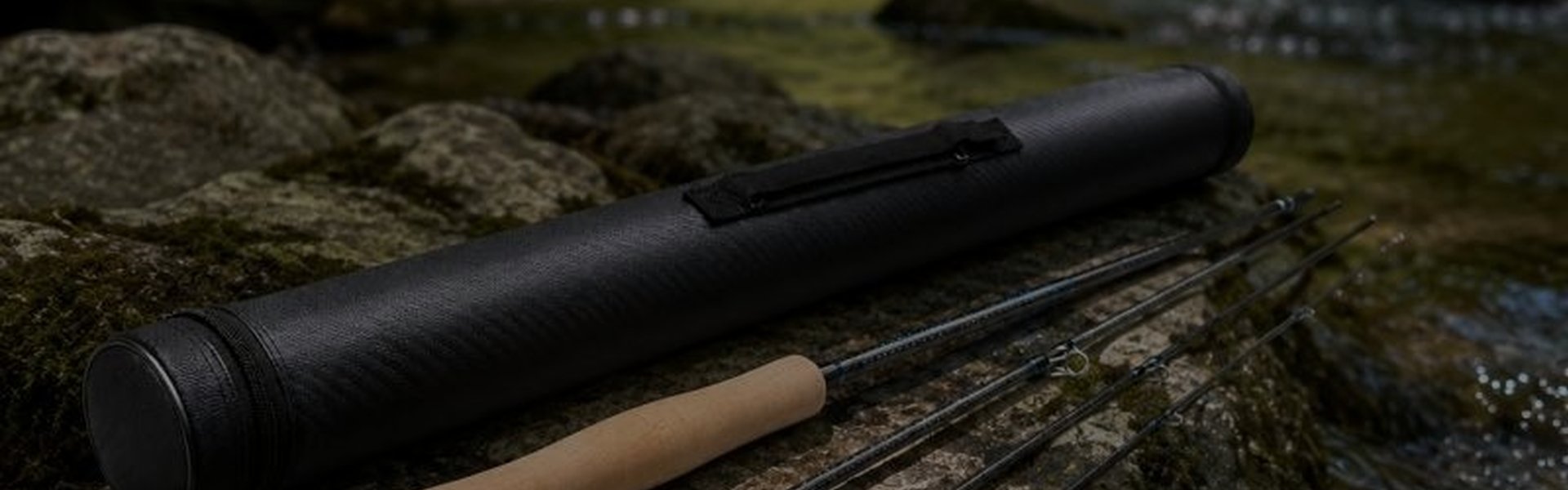
The blank is the structural core of every fishing rod. Guides, handle and reel seat are fitted to it, but its taper and layup determine how the rod casts, bends and recovers. Understanding how a blank is built helps brands write better specifications and ask better questions of their supplier. This guide walks through the main stages of blank construction and supports our Fishing Rod Blanks page.
The mandrel: where taper begins
A blank is formed around a mandrel, a precisely ground tapered steel rod. The mandrel profile defines the inside diameter of the blank along its length and, together with wall thickness, sets the taper that governs action. A multi-piece rod typically uses a separate mandrel for each section. Mandrels are a long-term tooling investment, which is one reason manufacturers prefer to build families of blanks around proven profiles rather than make a new mandrel for every request.
Prepreg and the layup
Most modern blanks are made from prepreg: sheets of carbon fiber, fiberglass or a combination, pre-impregnated with a controlled amount of resin. The material is cut into patterns, often called flags, whose shape determines how many layers of fiber wrap around each point of the mandrel.
- Axial fibers running along the blank carry bending loads and are the main contributor to stiffness and recovery.
- Hoop or scrim layers running around the blank resist ovalling and crushing and help hold the structure together under load.
- Fiber modulus describes stiffness per unit of material. Higher-modulus fibers generally allow lighter blanks for a given stiffness, but material choice always involves trade-offs in toughness and cost that should be discussed for each application rather than assumed.
Layup design is where a manufacturer’s experience shows: the same mandrel can produce blanks of different power and feel depending on the pattern and materials used.
Rolling, wrapping and curing
The cut patterns are tacked to the mandrel and rolled under pressure on a rolling table so the layers wrap tightly without wrinkles. The rolled blank is then wrapped with a tape that applies compression during curing. In the oven, the resin flows and hardens, bonding the fibers into a single structure. After cooling, the tape is removed and the mandrel is extracted, leaving a hollow tapered tube.
Sanding, cutting and finishing
Blanks come out of the oven with tape marks on the surface. They may be sanded smooth or left unsanded, which keeps the surface fibers intact and gives a characteristic ridged look. Blanks are then cut to length, checked for straightness and diameter, and finished. Finish options include clear coat, colored paint, matte or satin coatings and, for some ranges, a natural unpainted appearance. Finish adds a small amount of weight and affects how well guides bond, so it is part of the specification rather than an afterthought.
Ferrules and multi-piece construction
Two-piece, travel and multi-piece rods need joints that transfer load without creating a flat spot in the action.
| Ferrule type | How it works | Typical use |
| Tip-over-butt (put-over) | The tip section slides over the top of the butt section | Spinning, casting and many fly rods |
| Spigot | A separate insert bonded into one section joins the two | Carp, match, fly and premium multi-piece rods |
| Put-in (butt-over-tip) | The tip section inserts into the butt section | Some traditional and heavy designs |
Ferrule fit is checked at the sample stage and again in production. The overlap length, the gap left for wear, and the position of the joint relative to the guide spacing all affect performance and durability.
What a buyer should specify
- Rod type and target application.
- Overall length, number of sections and transport length.
- Power and action, with a reference blank or rod if available.
- Material class: carbon, fiberglass or composite, and any modulus preference.
- Tip and butt diameters where they matter for component fit.
- Ferrule type and finish (sanded or unsanded, color, gloss level).
- Quantity per model, bearing in mind that blank programs run from 100 pieces per model.
How this applies to your OEM project
Whether you buy blanks to build rods yourself or commission complete rods, the blank specification sets the ceiling on everything else. The Fishing Rod Blanks page explains how bulk blank programs are structured for brands, distributors and qualified rod builders. If you are still deciding between materials, read Carbon vs Fiberglass Rod Blanks, then request a quote with your specification.